

Sharjah waives truck toll fees for Oman cargo under new logistics corridor push
This initiative targets faster customs procedures and lower operating costs
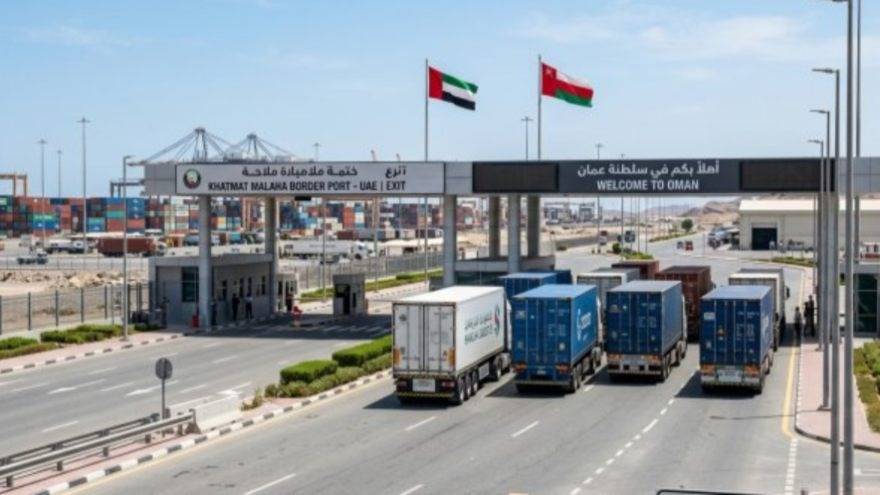
SHARJAH – The Sharjah Ports, Customs and Free Zones Authority, in cooperation with the Sharjah Roads and Transport Authority, has introduced a new facilitation measure exempting cargo trucks arriving from Oman and operating within approved logistics corridor routes from truck toll gate fees across the Emirate of Sharjah.
As part of ongoing efforts to further develop the logistics corridor connecting Sharjah’s ports and border crossings with the Sultanate of Oman and strengthen supply chain efficiency across the UAE, the move forms part of broader initiatives aimed at improving logistics operations and reinforcing the country’s position as a leading regional trade and transport hub.
Authorities said the latest measure is designed to support smoother trade movement while reducing operational burdens for businesses and transport operators. It also reflects continued efforts to create a more integrated logistics ecosystem capable of responding to increasing regional and global demand.
Toll gate fees waiver
The exemption applies to trucks entering through the Khatmat Malaha and Al Madam border crossings, provided shipments meet the initiative’s requirements and are registered within approved routes. The measure is expected to facilitate the smooth movement of goods, reduce operational pressures on companies and clients, and support more efficient transport and logistics services.
The initiative is backed by a range of logistical and geographical advantages that strengthen its operational efficiency. Khatmat Malaha border crossing is located approximately 70 kilometres from the Port of Sohar in the Sultanate of Oman, creating a direct logistical advantage that enables faster cargo movement and significantly reduces transit times between both sides.
The crossing is also connected to an integrated network of major roads linking ports, free zones and industrial and commercial centres across the UAE. The connectivity is expected to strengthen supply chain performance and facilitate seamless movement of goods nationwide.
Meanwhile, Al Madam border crossing occupies a strategic position at the intersection of major transport routes, enabling fast and efficient access to both land and maritime transport networks. This provides greater flexibility for imports, exports and re-exports throughout the region.
Strategic links
Al Madam’s direct connection to the Wilayat of Mahdha in Oman’s Al Buraimi Governorate further enhances its position as a vital logistics hub. Its significance is also expected to increase with the continued development of the Al Rawdah Economic Zone, supporting stronger integration between industrial and commercial activities and improving connectivity between regional markets.
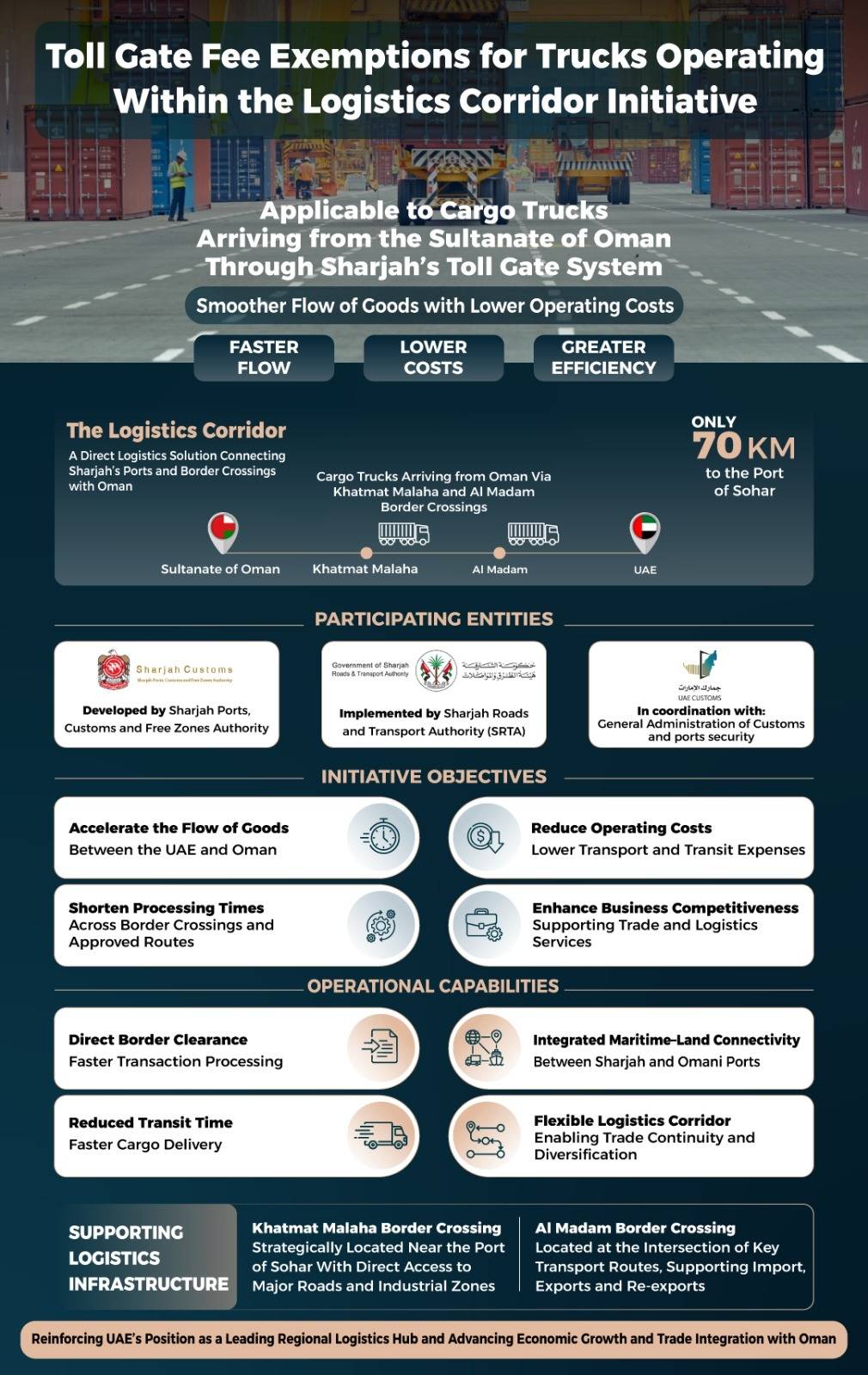
The latest measure comes as part of broader efforts to develop the logistics corridor ecosystem and support more resilient and sustainable supply chains. It also seeks to enhance trade flows and the movement of goods amid rapid expansion across regional and international transport sectors.
In this context, the General Administration of Customs and Ports Security at the Federal Authority for Identity, Citizenship, Customs and Port Security (ICP) said the facilitation reflects the UAE’s broader proactive approach towards strengthening operational readiness and ensuring resilient supply chains.
According to the administration, the initiative forms part of ongoing efforts to introduce practical solutions that maintain the smooth movement of trade and goods between the two countries under various market conditions while ensuring business continuity and improving logistics efficiency across the UAE.
Trade cooperation
The administration added that UAE Customs remains committed to continued coordination with strategic partners and regional and international entities to develop an integrated framework of services and facilitation measures supporting stronger supply chains and global trade flows.
Officials said such initiatives align with the UAE’s wider vision of turning challenges into opportunities through proactive, smart and innovative solutions designed to facilitate trade and improve logistics efficiency. The efforts contribute to strengthening the country’s position as a regional and international trade centre while enhancing broader economic competitiveness.
The administration also highlighted the strong level of customs and trade cooperation with the Sultanate of Oman and its contribution to bilateral trade growth and the advancement of the GCC Customs Union framework.
For companies operating across trade, transport and logistics sectors, the new facilitation measure is expected to provide substantial operational advantages. These include lower truck movement costs, shorter transit times and improved operational efficiency, all of which support stronger business competitiveness and more efficient supply chains across the UAE.
The initiative builds on an existing package of services and incentives already offered under the logistics corridor framework, including accelerated customs procedures and completion of clearance processes directly at border crossings. These measures are designed to reduce transit times, lower operating costs and further improve overall logistics performance.
The move also highlights close coordination between infrastructure and operational entities across Sharjah, supporting a more responsive and efficient transport network.